


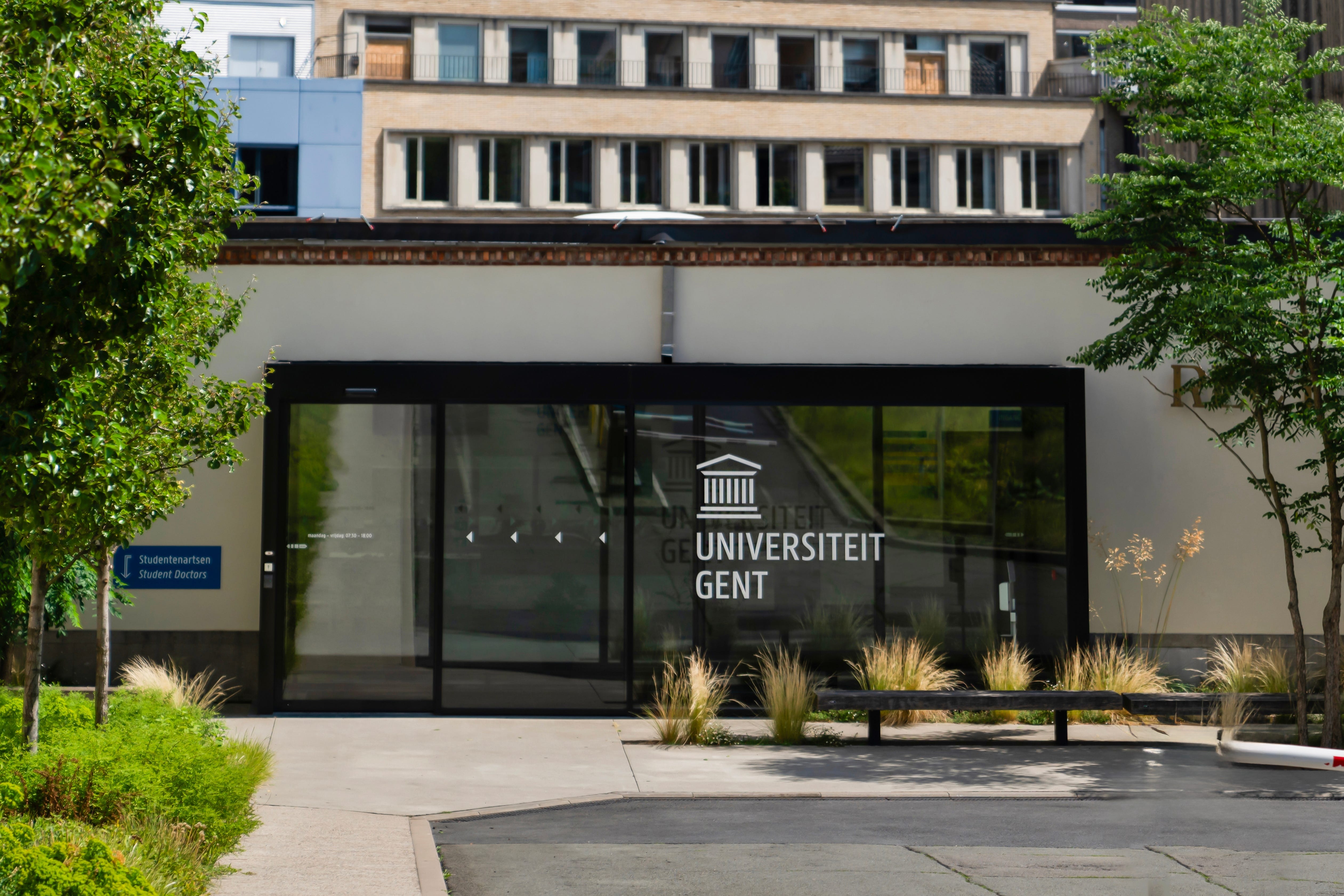
Ghent University suspended postdoctoral scholar Nathan Cofnas as a “precautionary measure” pending a “preliminary disciplinary investigation.” The reason he is being suspended, however, has little if anything to do with him legitimately criticizing Jason Arday’s scholarship last month by documenting plagiarism in Arday’s doctoral thesis. Ghent is instead suspending Cofnas because his expressed public views are misaligned with the university’s values and therefore “creates a reputational risk”. This is not how academic freedom should work.
At this point, the timeline of events over the past month is clear. On July 21, Cofnas published a blog post alleging plagiarism of Jason Arday’s work, evidenced by side-by-side comparisons of his doctoral thesis against Paula Zwozdiak-Myers’s 2009 dissertation. That same week, Retraction Watch broke the story that a reporter at Times Higher Education had been building this same case back in September 2025, but the outlet killed the story after Arday retained the defamation firm Carter-Ruck to send a letter threatening legal action.
The blog post sparked the predictable reactions and op-ed media frenzy. Arday resigned on August 5 amid Cambridge opening an investigation. (While Arday denied the plagiarism charges, he acknowledged errors in his work.) He was found dead on August 14. On August 20, Cofnas was suspended from Ghent.
The statement by Ghent on their suspension of Cofnas is bizarre for anyone who cares about academic freedom. It’s framed as a statement on the university’s values rather than anything specific to Cofnas’ writings or any alleged misconduct that would warrant a disciplinary investigation. The statement then goes on to specify that Ghent University’s view of academic freedom is predicated on specific values, stating:
…we wish to be clear about the values we uphold as a university. Ghent University stands for respect for human dignity and opposes discrimination, hatred and racism. We attach great importance to academic freedom and to open academic debate, even when views are controversial. However, that freedom is not unlimited. It goes hand in hand with responsibility and may be restricted in order to protect the rights of others.
It is true that academic freedom is not unlimited. Yet, it should alarm every academic who holds any potentially contentious view on any subject that a university such as Ghent is openly declaring that academic freedom is only protected insofar as one’s publicly expressed values are aligned with the university’s.
Ghent is suspending Cofnas because they don’t like his views. In a leaked letter that appeared online the day after the public statement, university officials detail the reasons for his suspension by citing (among many disputable things) “offenses committed in private life” that argue his views on race and intelligence “may be interpreted” as racism, which is against the university’s values. This is despite Cofnas being hired in the spring with years of published writing on group differences in intelligence. His hiring at Ghent this past spring drew a petition with more than 2,000 signatures within weeks (with a new petition now appearing for him to be dismissed, along with a counter letter to keep him). Ghent defended the hire anyway, with Ghent rector Petra De Sutter (now ironically) stating at the time that “Dissenting opinions are allowed to exist and debate must take place at a university. It is primarily up to experts and fellow researchers to test ideas, criticise them and, where necessary, contradict them.” The only thing that has changed since March is that Cofnas’s views are now too big a liability to the university’s reputation for them to defend, and therefore now he must go.
Now with Ghent’s decision to suspend Cofnas, academia should be alert to the precedent such an event leaves for scholars who criticize the work of other scholars. First, if you express views that are unpopular, could cause “tension,” or “may be interpreted” in any type of way, keep your mouth shut. Second, such unpopular views are subject to the heckler’s veto via public pressure campaigns, so again, keep your mouth shut.
The suspension of Cofnas only serves to entrench academic self-censorship and erodes trust in the academy’s ability to reform itself. If academics cannot trust that alleging academic misconduct about another scholar won’t cost them their job, then who is going to risk sticking their neck out to criticize scholarship when warranted? Criticism of scholarship comes with the job, and in today’s environment, that is certainly going to play out online, especially when the scholar being criticised is a publicly lauded academic at a nation’s top university.
To academics who think public criticism of a lauded scholar at a prestigious university is too harsh, consider how this situation could have played out differently. Had the original Times Higher Education story run, backed by an even more extensive dossier of alleged plagiarism, the scandal would likely have broken anyway, just under a different byline. Outlets like Retraction Watch exist specifically to call out academic misconduct — as they should. Scholars, no matter their background, personal characteristics, or public standing, are subject to scholarly standards and peer criticism. That is what happened here: at root, this is a case of one scholar exposing another’s misconduct.
Academics need to police our own scholarship and take the lead on intentional reform to build back public trust in scholarship. And if we don’t, we’re handing the reins over to legislators and politicians eager to regulate campuses themselves. For the scholarly record and the institutions that safeguard it to be trustworthy, they must be seen as places that uphold scholarly standards to generate knowledge that can be trusted.
"The suspension of Cofnas only serves to entrench academic self-censorship and erodes trust in the academy’s ability to reform itself." False. The Cofnas lynching did not erode my trust in the university to police itself, it confirmed my belief that it is systemically (that word!) incapable of reforming itself. A belief that anyone who has been paying attention over the last 20 years or so (and who has a scintilla of intellectual honesty) would agree with.
The short-circuiting of academic freedom, both in the US and in Europe, is far worse than you article suggests.
In a recent podcast, Tyler Austin Harper (whose Atlantic article explaining why he quit a tenure-track job was the other big story in academia in recent weeks) described academics as people who have few real convictions, who want to be led, and who are perpetually terrified of mostly everything. This is cowardice at its worst. If they found his views objectionable, they shouldn't have hired him—especially given their "soul-deep" commitment to DEI. This reversal speaks loudly and clearly about Ghent's true values. I would say that I can't believe they would make such an obviously disingenuous decision, but that would be disingenuous.